Category: Featured Produce
Tomatoes
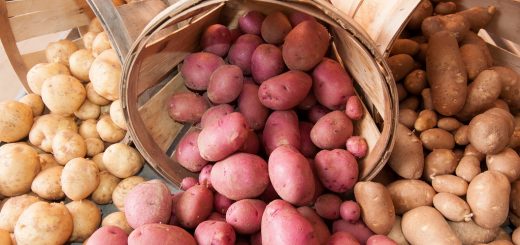
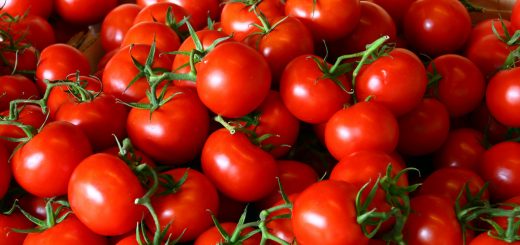
The tomato, like the eggplant, is a member of the Solanaceae, or Nightshade family. Tomatoes are native to western South America, but were cultivated in Mexico by Mexican Indians, who were intrigued by its resemblance to the tomatillo – a staple in their cuisine. With the discovery of the New World, tomato seeds were brought back to Spain, beginning the introduction of the fruit into Europe. Tomatoes made their way to North America with the colonists who first settled in Virginia. (more…)
Beans
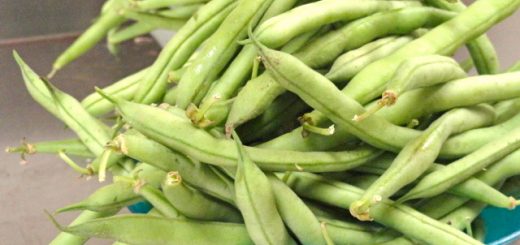
Green beans, also known as snap beans because they “snap” when broken, are harvested when young, when the beans inside the pod are small and tender and the pods are thin. They are very low in calories and loaded with vitamins K, A, and C, fiber, folate and anti-oxidants. Interestingly, green beans were originally cultivated in Peru and were then spread throughout Central and South America by Indian tribes. Spanish explorers brought them back from the “New World” to Europe in the 16th century, and from there they spread around the world. (more…)
Cabbage
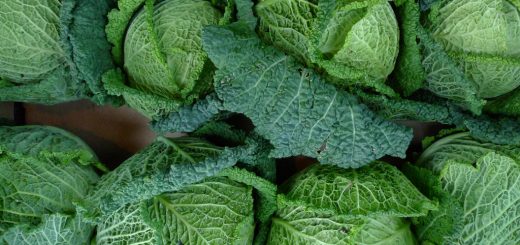
Cabbage is a leafy green or purple biennial plant, grown as an annual vegetable crop for its dense-leaved heads. Closely related to other cole crops, such as broccoli, cauliflower, and Brussels sprouts. Smooth-leafed firm-headed green cabbages are the most common, with smooth-leafed red and crinkle-leafed savoy cabbages of both colors seen less frequently. The cabbage heads are generally picked during the first year of the plants’ life cycles, but those intended for seed are allowed to grow a second year. (more…)
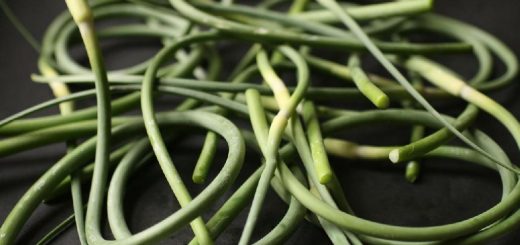
Garlic Scapes
For those of you familiar with the CSA, these curly beauties are a welcome friend. For those new to the CSA experience, this may be one of your first “experimental” vegetables.
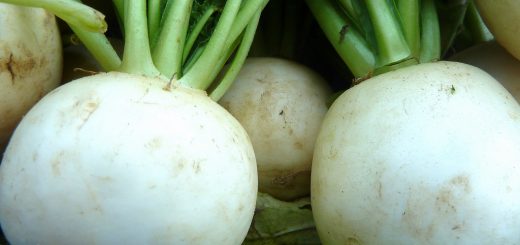
Hakurei Salad Turnips
Hakurei turnips are a Japanese salad turnip. They are sweet and much softer than a regular turnip, and rarely need to be peeled; just wash and trim the root ends. The leaves are also edible but should be eaten within 1-2 days. Wrapped tightly in plastic, the turnips can be stored in the refrigerator for up to 1 week. (more…)
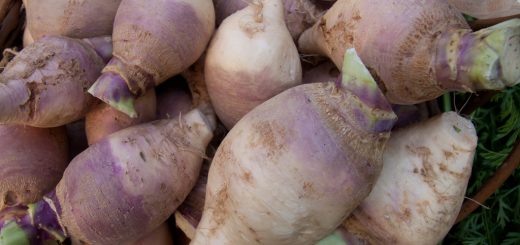
Rutabagas
Rutabagas are only called rutabagas in the U.S. Throughout the rest of the world, they’re known as swedes. This ordinary root vegetable is thought to have originated in Bohemia in the 17th century as a hybrid between the turnip and wild cabbage.
Members of the cabbage family, rutabagas are often confused with turnips, although there are noticeable differences. Rutabagas are larger, part white and part purple, with creamy orange flesh and ribs near the stem, and with a nutty, sweet flavor when roasted. Meanwhile, turnips are white with a purple-red top and a peppery taste. (more…)
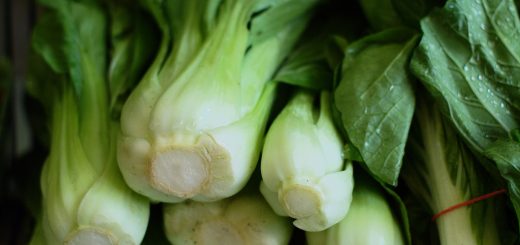
Edamame
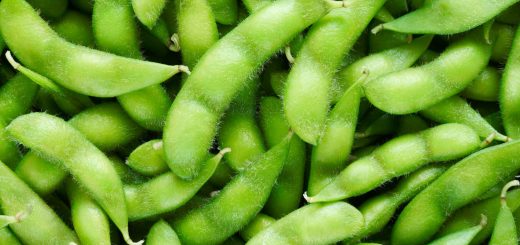
The Japanese name edamame literally means “twig bean”, and is a reference to the short stem attached to the pod. This term originally referred to young soybeans in general.
Over time, however, the prevalence of the salt-boiled preparation meant that the term edamame now often refers specifically to this dish. Typically, the pods are boiled in water together with condiments such as salt, and served whole. To eat, you simply squeeze the beans out of the pods with your fingers, or your teeth! (more…)